

Some octogenarians are running marathons. Others are summiting mountains, some of them for the eightieth time, or piloting a boat across open water for days at a stretch. And plenty of people at every one of those ages, and beyond, are working hard just to manage a chronic illness, recover from surgery, or steady themselves after a hard diagnosis. Both of those are aging. Neither one is more real than the other, and this hub is written for all of it.
One hiker’s story is worth telling: a man in his sixties was tackling the Alum Cave Trail to Mount LeConte in the Great Smoky Mountains. The trail has an elevation gain of close to 3,000 feet and is 11 miles roundtrip. Feeling pretty proud of his fitness level, the hiker crossed paths with a number of hikers who were at least a decade older, and later learned that one veteran had made 80 summits in a single year – at age 80. Hearing a story like that has a way of resetting what you think is possible at any given age.
This hub exists to hold space for that kind of possibility, and just as much for the version of strength that looks like showing up for physical therapy, or getting through a hard week, or simply not giving up.
What Actually Fuels Healthy Aging
Genetics matter, but so much of how well a person ages, or how well they weather a hard stretch, comes down to a handful of everyday habits that are within reach no matter where someone is starting from. A few threads run through almost everything in this hub:
- movement and strength
- nourishment
- rest
- mental fitness and cognitive engagement
- connection and a sense of purpose
These threads work together more than they work alone. Better balance protects independence. A good night’s sleep tends to bring a clearer mind and better choices the next day. None of it demands perfection, only attention, and it’s never too late to start paying more of it, whether the goal is a mountain summit or simply getting through the day a little stronger than before.
Move in the Way That Fits Your Life
Movement is one of the most powerful tools available for healthy aging, and one of the most personal. For some, that means marathon training, distance hiking, or hours on the water. For others, it’s a walk to the mailbox, a set of chair exercises, or physical therapy after a joint replacement. All of it counts. All of it matters, and all of it deserves the same respect.
The through-line, whatever the starting point, is a mix of activity that keeps the heart working, strength that protects independence, and balance that guards against falls. A doctor or physical therapist can help translate that into something that fits an individual body and its history, especially alongside an existing health condition or a recent surgery. In the months ahead, this hub will go deeper on what that can look like at different ages and ability levels.
Eat in a Way That Nourishes, Not Restricts
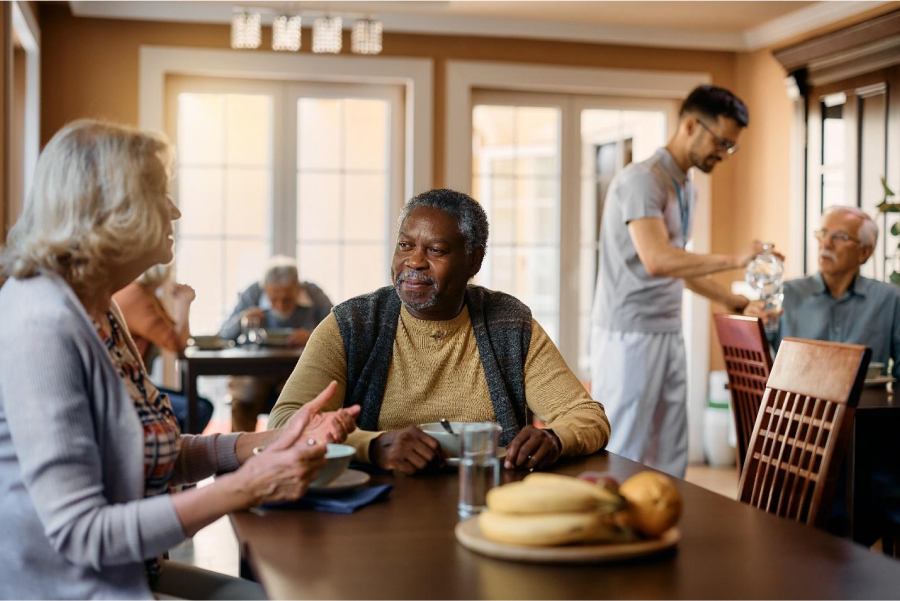
Appetite, metabolism, and nutritional needs shift with age, and food becomes less about rigid rules and more about giving the body what it needs to keep up with life, whatever that life looks like right now. A plate built around whole foods, protein, and color goes a long way. So does the company around the table, since the social side of a meal often matters as much as what’s on it. Future articles here will dig into the specifics of eating well at different stages of aging.
Protect Your Sleep
Sleep tends to get harder to come by with age, but it doesn’t get any less important. Good rest supports memory, mood, and the resilience to handle whatever the day brings, from a long trail to a hard recovery. When sleep becomes a real, ongoing struggle, that’s worth raising with a doctor rather than something to just live with.
Keep Your Mind Sharp and Engaged
Mental fitness deserves the same intentional attention as physical fitness, not an afterthought to it. Staying curious, learning something new, addressing hearing or vision changes early, and staying engaged with the world all appear to help protect the brain over time. So does having something to look forward to, a purpose, a project, a person to check in on.
Stay Connected
Isolation tends to creep up quietly, and it takes a real toll on both mental and physical health. Staying connected doesn’t have to be elaborate. A standing phone call, a faith community, a weekly game night, a hiking group, all of it protects something real, for the person aging and for the people who love them.
Build Confidence in Your Balance
Falls are one of the most common ways independence gets interrupted, but the fear of falling can be just as limiting as a fall itself. Building strength and balance, addressing hazards around the home, and understanding a person’s specific risk factors with a doctor’s help all support aging with confidence instead of anxiety, whether that confidence shows up on a mountain trail or on the walk from the bedroom to the kitchen.
What’s Ahead in Senior Health and Fitness
This is only the starting point. In the months ahead, this hub will grow into deeper guides on strength and balance training for every stage of life, mental fitness and cognitive engagement, nutrition for a changing body, sleep, and the small daily choices that build resilience over time. Wherever you’re starting from, and whoever you’re doing this for, there will be something here worth coming back to. For more on the research behind healthy aging, the National Institute on Aging is a good place to start.
However You’re Meeting This Moment
Some readers here are chasing a personal best well past 80. Others are fighting through a diagnosis, a surgery, or a season of real limitation, and doing something just as remarkable, or maybe even more, in the process. Both belong here, in full, without one being treated as the more impressive story. There’s no finish line to this and no perfect score to hit. There’s only the next step forward, whatever that looks like today, and the people cheering you on, wherever the trail leads.
This article is for informational purposes only and does not constitute medical advice. Always talk with a physician or other qualified health care provider before making changes to diet, exercise, or sleep habits, particularly alongside an existing health condition or recent surgery. Recommendations reflect general guidance and may not apply to every individual situation.