

Getting older comes with real rewards — more time, deeper perspective, and a freedom that earlier decades rarely offer. But most of us share a quiet concern underneath it all: how do we stay sharp, capable, and independent for as long as possible? The good news is that science has never had more to say on this topic. Researchers now understand that keeping your aging mind and body healthy is less about luck and more about habits — the right combination of physical activity, mental engagement, nutrition, sleep, and human connection can make a measurable difference in how you age. This guide brings together the most important insights in one place, written for seniors and the families who love them.
Whether you’re proactively planning your own healthy aging or helping a parent build better routines, the sections below cover every major pillar of senior health — with practical, actionable steps at every turn.
⚕️ Medical Disclaimer
This article is for general informational purposes only. It is not a substitute for professional medical advice, diagnosis, or treatment. Individual health situations vary — what applies to one person may not apply to another. Never change, start, or stop any medication or health routine without first consulting your physician or a qualified healthcare provider. If you are experiencing a medical emergency, call 911 immediately.
1. Brain Health: Keeping Your Mind Sharp as You Age
The brain is more adaptable than most people realize. Even well into older age, it continues to form new connections, prune unused pathways, and respond to new challenges. This capacity — called neuroplasticity — means that the lifestyle choices you make today have a real, measurable effect on your cognitive health tomorrow.
According to the National Institute on Aging (NIA), some cognitive changes are a normal part of aging — processing speed may slow, and recalling names can become harder. But significant memory loss, confusion, and personality changes are not normal, and should always be discussed with a doctor.
Challenge Your Brain Every Day
The single most powerful thing you can do for your brain is to keep learning. Activities that are genuinely new — not just familiar hobbies — force your brain to build fresh neural pathways, which makes it more resilient over time.

High-value brain-challenging activities include:
- Learning a new language — even conversational basics stimulate multiple brain regions simultaneously
- Playing a musical instrument you’ve never tried before
- Taking an art, pottery, or watercolor class
- Learning calligraphy, knitting, or woodworking
- Joining a chess, bridge, or strategy game group
- Taking a community college course — many offer free or reduced tuition for seniors
- Reading books outside your usual genres, especially nonfiction that teaches new concepts
- Working through puzzles, crosswords, or learning-based apps (Duolingo, Lumosity)
Use Memory Strategies — Not Just Willpower
Aging well means working smarter. You don’t need to hold everything in your head. Offloading routine details to external tools actually frees your brain to focus on more meaningful and enjoyable things.
- Keep a daily planner or use a phone calendar with reminders for appointments and medications
- Assign permanent spots for everyday items — keys, glasses, wallet — and never deviate
- Use a whiteboard or sticky-note system on the kitchen counter for daily tasks
- Label phone alarms descriptively: “Take blood pressure pill” not just “Alarm”
- Ask a family member to share a digital calendar so nothing gets missed
- Keep a small notepad in every room so you can write things down immediately
Engage Multiple Senses When Learning
Research from the NIA confirms that memories tied to multiple senses are stronger and more durable. When you pair a new experience with a smell, a sound, and a physical texture, you create more anchor points for recall.
- Cook or garden — both naturally combine smell, touch, sight, and taste
- Listen to music while drawing, painting, or doing crafts
- Explore new environments — farmers markets, botanical gardens, new neighborhoods — for rich sensory input
- Read physical books alongside audiobooks for dual-channel reinforcement
Know When to Talk to a Doctor
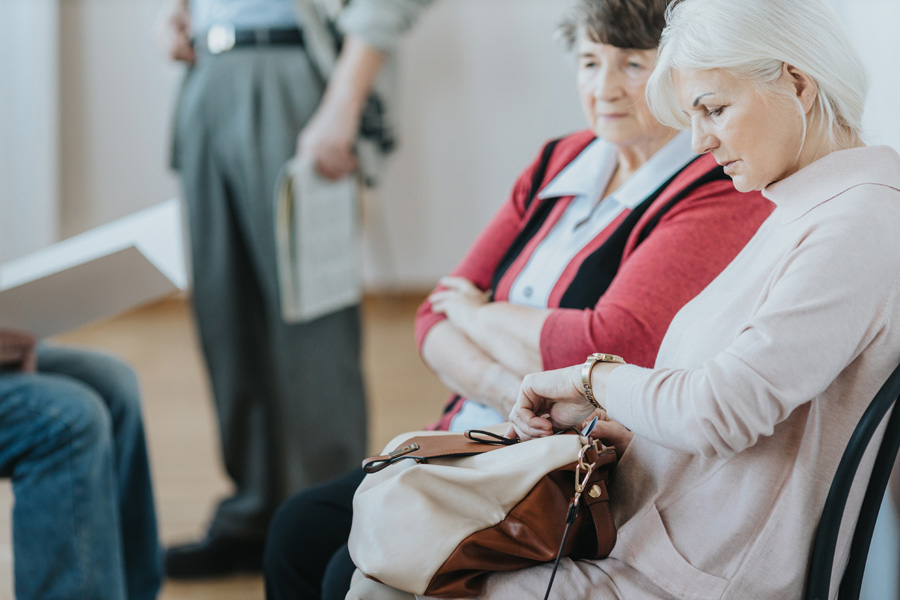
There’s an important difference between normal age-related forgetfulness and changes that deserve a professional evaluation. If you or a loved one is experiencing memory or thinking changes that feel different from usual forgetfulness — or that are noticeable to people close to you — it’s always worth bringing up with a doctor. The Alzheimer’s Association has straightforward guidance on what to watch for. Early evaluation can make a meaningful difference in outcomes, so don’t wait to have the conversation.
2. Physical Activity: The Most Powerful Medicine Available
Exercise may be the single most well-documented intervention for healthy aging. The CDC notes that regular physical activity helps older adults manage chronic disease, improve mental health, reduce fall risk, and maintain independence — and the benefits begin almost immediately.
How Much Exercise Is Recommended?
Current guidelines for adults 65 and older recommend:
- 150 to 300 minutes per week of moderate-intensity aerobic activity (such as brisk walking or water aerobics)
- OR 75 to 150 minutes per week of vigorous-intensity aerobic activity (such as jogging or swimming laps)
- Muscle-strengthening activities on 2 or more days per week targeting all major muscle groups
- Balance activities on 3 or more days per week to prevent falls (especially important for those at risk)
Even breaking this into 10-minute sessions throughout the day counts. Consistency over time matters far more than intensity.
Best Types of Exercise for Seniors
Different types of movement address different needs. A well-rounded routine includes all four categories:
- Aerobic exercise: Walking, swimming, cycling, dancing, water aerobics — supports heart and brain health
- Strength training: Light dumbbells, resistance bands, or bodyweight exercises — maintains muscle mass and bone density
- Flexibility: Yoga, stretching, tai chi — improves range of motion and reduces injury risk
- Balance: Tai chi, standing on one foot, heel-to-toe walking — directly reduces fall risk
Exercise and Brain Health
Physical activity doesn’t just benefit the body — it’s one of the best things you can do for your brain. Research published through the NIA shows that exercise increases blood flow to the brain, stimulates the growth of new brain cells, and has been associated with lower rates of dementia and depression in older adults.
- Even a 20-minute walk has been shown to improve memory and executive function
- Regular aerobic exercise is associated with a larger hippocampus — the brain region responsible for memory
- Exercise reduces levels of cortisol (the stress hormone) that can damage brain tissue over time
Starting Safely
If you haven’t been active recently, start slowly and build gradually. Always check with your doctor before beginning a new exercise program — particularly if you have heart disease, diabetes, osteoporosis, or joint problems. A referral to a physical therapist can be valuable for creating a safe starting plan.
3. Nutrition: Eating for a Longer, Sharper Life
What you eat directly shapes how your brain and body perform as you age. Conditions like diabetes, high blood pressure, and high cholesterol — all strongly influenced by diet — have been linked to accelerated cognitive decline and higher dementia risk. The good news is that shifting toward a brain-healthy diet doesn’t require perfection, just consistent positive choices.
The Best Dietary Patterns for Seniors
Two diets in particular have strong research backing for older adults:
- The Mediterranean Diet — centered on vegetables, fruits, whole grains, olive oil, fish, nuts, and legumes. Consistently associated with better heart health, lower dementia risk, and longer lifespan. Learn more from the NIA.
- The MIND Diet — a hybrid of Mediterranean and DASH diets developed specifically to target brain health. Research from the NIA links it to a significantly reduced risk of Alzheimer’s disease. See a full MIND Diet overview.
Foods That Support Brain and Body Health
- Leafy green vegetables (spinach, kale, collards) — at least 6 servings per week for maximum brain benefit
- Berries — especially blueberries and strawberries, which contain flavonoids associated with slower cognitive decline
- Fatty fish (salmon, sardines, trout, mackerel) — rich in omega-3 fatty acids that support brain cell integrity
- Extra-virgin olive oil — a primary fat source in Mediterranean-style eating
- Nuts — especially walnuts, which are uniquely high in brain-supporting omega-3s
- Whole grains (oats, quinoa, brown rice, whole wheat) — provide steady energy and support cardiovascular health
- Beans and legumes — excellent plant-based protein, high fiber, help manage blood sugar
- Poultry — a lean protein that fits well in a brain-healthy diet
What to Limit or Avoid
- Red meat — limit to 4 or fewer servings per week
- Butter and margarine — replace with olive oil where possible
- Cheese — limit to less than once per week in large portions
- Pastries and sweets — limit to 5 or fewer times per week
- Fried and fast food — associated with inflammation, heart disease, and cognitive decline
- Excessive alcohol — impairs memory, increases fall risk, and can interact with medications
- High-sodium processed foods — elevate blood pressure, a major risk factor for stroke and dementia
Nutrition Challenges Specific to Seniors
Older adults face several nutrition hurdles that deserve attention:
- Reduced appetite — common with age, certain medications, or depression; smaller, more nutrient-dense meals can help
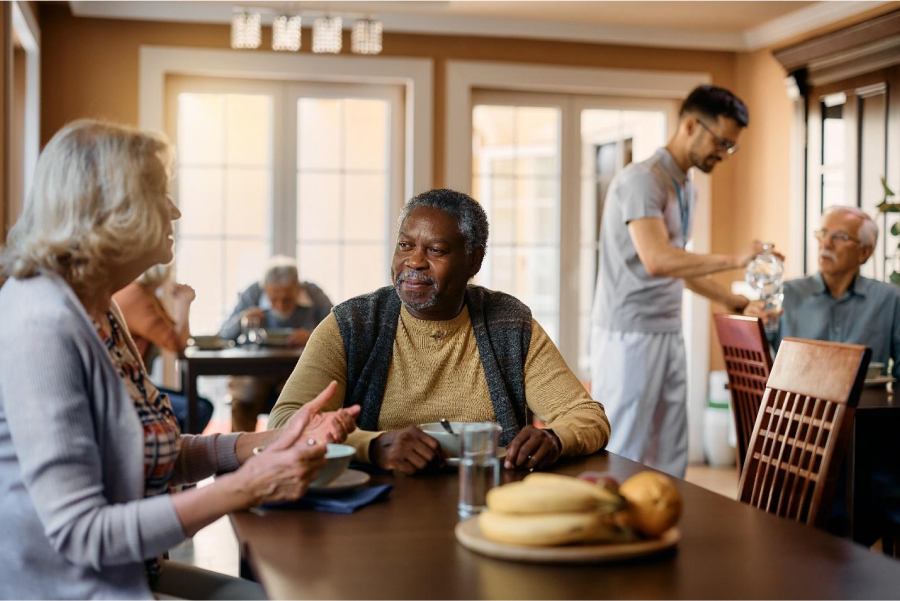
- Dehydration — the sense of thirst diminishes with age; aim for 6–8 glasses of water daily even without feeling thirsty
- Decreased absorption — the body absorbs certain nutrients less efficiently with age, including vitamin B12, calcium, and vitamin D; ask your doctor whether supplementation makes sense for you
- Dental issues — difficulty chewing can limit food variety; a dentist or dietitian can help find solutions
4. Sleep: The Brain’s Nightly Repair Cycle
Sleep is when the brain consolidates memories, clears cellular waste products (including proteins linked to Alzheimer’s disease), and repairs itself. Despite this, poor sleep is extremely common among seniors — and often dismissed as just “normal aging.” The NIA emphasizes that while sleep patterns do change with age, persistent poor sleep is not something to simply accept.
How Sleep Needs Change With Age
- Most older adults still need 7–9 hours of sleep per night
- Sleep tends to become lighter and more fragmented — waking more often during the night is common
- The sleep-wake cycle may shift earlier (feeling sleepy earlier in the evening, waking earlier in the morning)
- Time to fall asleep may increase
Tips for Better Sleep
- Maintain a consistent sleep schedule — same bedtime and wake time every day, including weekends
- Create a cool (65–68°F), dark, and quiet sleep environment
- Avoid screens (phone, tablet, TV) for at least one hour before bed — blue light suppresses melatonin
- Limit caffeine after noon, and avoid large meals or alcohol within 2–3 hours of bedtime
- Get natural sunlight exposure early in the day to regulate your internal clock
- Exercise regularly — but avoid vigorous exercise within 2 hours of bedtime
- Keep short naps to 20–30 minutes and avoid napping after 3 pm
- If you lie awake for more than 20 minutes, get up and do something calm until you feel sleepy
When to Talk to a Doctor About Sleep
If sleep problems are persistent — difficulty falling asleep, waking frequently, feeling unrefreshed, or excessive daytime sleepiness — it’s worth bringing up at your next doctor visit rather than accepting it as inevitable. Treatable sleep conditions are more common in older adults than most people realize, and a doctor can help identify what’s going on and what might help.
5. Mental Health: Depression and Anxiety Are Not Inevitable
Depression affects an estimated 7 million older Americans, yet it is vastly underdiagnosed — often mistaken for a normal part of aging, or overlooked because older adults are less likely to report emotional symptoms. The CDC notes that depression in older adults is linked to poorer health outcomes, higher rates of hospitalization, and increased mortality.
Warning Signs of Depression in Seniors
- Persistent sadness, emptiness, or feelings of hopelessness
- Loss of interest or pleasure in activities once enjoyed
- Significant changes in appetite or weight
- Sleep disturbances (sleeping too much or too little)
- Fatigue and loss of energy nearly every day
- Difficulty concentrating, remembering, or making decisions
- Withdrawal from family, friends, and social activities
- Increased use of alcohol or medications
- Unexplained physical symptoms like headaches or digestive problems
- Thoughts of death or suicide — always take these seriously and seek help immediately
Depression is a medical condition, not a character flaw or weakness. It responds well to treatment — therapy, medication, or both.
Building Emotional Resilience
- Maintain a sense of purpose — volunteering, mentoring, or part-time work all help
- Stay connected with people you care about — isolation accelerates decline
- Practice gratitude — even a short daily reflection on positive experiences has measurable effects on mood
- Seek professional help early — a primary care doctor can provide referrals to mental health professionals
- Explore mind-body practices like meditation, prayer, or deep breathing that reduce stress hormones
6. Social Connection: One of the Most Powerful Health Factors
The research is striking: social isolation is as harmful to longevity as smoking 15 cigarettes a day. The World Health Organization has declared loneliness a global public health priority, and studies consistently link strong social connections to lower rates of dementia, heart disease, depression, and premature death.
Why Social Activity Is Especially Important for Brain Health
- Social interaction requires rapid language processing, emotional reading, and memory recall — a genuine cognitive workout
- Meaningful relationships provide a buffer against stress, which damages brain tissue over time
- Socially engaged seniors show slower rates of memory decline in long-term studies
- Purpose and belonging — strong outcomes of social connection — are independently associated with longer, healthier lives
Practical Ways to Stay Connected
- Join a senior center, community class, or faith community
- Take group fitness classes — water aerobics, yoga, tai chi, walking clubs
- Volunteer — it provides purpose, routine, and regular contact with others
- Schedule regular family dinners, phone calls, or video chats and put them on the calendar
- Join a book club, card group, quilting circle, or any recurring social hobby
- Take a class at a local community college or adult learning center
- Get a pet — especially a dog — for daily social interaction and routine
- Look into intergenerational programs that pair seniors with younger people for mentoring or tutoring
When Social Isolation Is a Risk
Certain situations dramatically increase isolation risk for seniors: living alone, losing a spouse, stopping driving, chronic illness, or mobility limitations. If you or a loved one is in one of these situations, being proactive about social connection isn’t optional — it’s a health priority.
7. Fall Prevention: Protecting Independence
Falls are the leading cause of injury — and injury-related death — among adults 65 and older. The CDC reports that one in four older Americans falls each year, and that falling once doubles the risk of falling again. Yet most falls are preventable.
Primary Risk Factors for Falls
- Muscle weakness, particularly in the legs
- Balance and gait problems
- Medication side effects (especially dizziness, drowsiness, or blood pressure changes)
- Vision problems
- Home hazards (loose rugs, poor lighting, slippery surfaces)
- Foot problems or unsafe footwear
- Vitamin D deficiency (linked to muscle weakness)
Evidence-Based Strategies to Reduce Fall Risk
- Talk to your doctor about a formal fall risk assessment — many primary care practices offer them
- Ask your pharmacist to review all medications for fall-risk side effects
- Exercise specifically for balance and leg strength — tai chi has among the strongest evidence for fall prevention
- Have your vision checked annually; correct any impairment
- Get adequate vitamin D — the NIA recommends discussing supplementation with your doctor
- Modify your home: remove loose rugs, install grab bars in the bathroom, improve lighting on stairs and hallways
- Wear shoes with firm, non-slip soles — inside the house and out
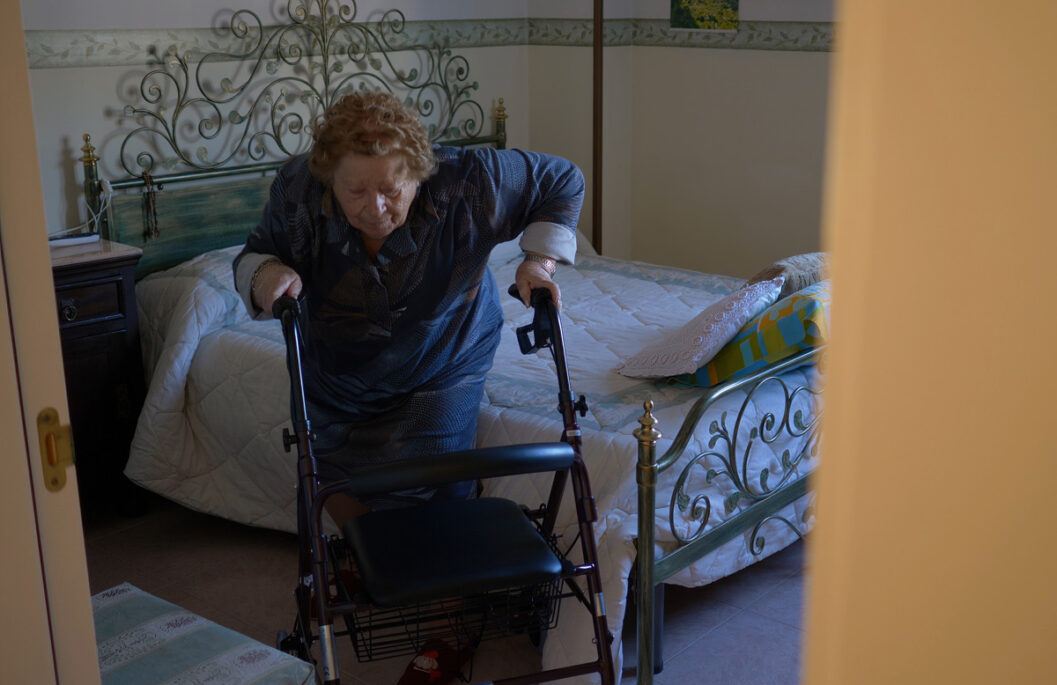
- Use a cane or walker if recommended by a physical therapist — using an aid is a sign of smart aging, not weakness
8. Preventive Care: Catching Problems Before They Grow
Many conditions that accelerate aging — high blood pressure, diabetes, high cholesterol, thyroid disorders, and early cancer — develop silently. Regular checkups aren’t just routine; they’re how problems get caught while they’re still manageable.
Key Health Screenings for Older Adults
- Blood pressure: Checked at every medical visit; high blood pressure is a leading cause of stroke and heart disease
- Blood glucose: Screens for prediabetes and diabetes, which are linked to higher dementia risk
- Cholesterol: Checked every 4–6 years, or more frequently if at risk
- Colorectal cancer: Regular colonoscopy or stool-based testing as recommended by your doctor
- Mammogram (for women): Guidelines vary; discuss with your doctor based on your history
- Bone density (DEXA scan): Recommended for women 65+ and men at risk for osteoporosis
- Vision exam: Annually — untreated vision loss increases fall risk and is linked to cognitive decline
- Hearing test: Every 3 years or sooner if decline is noticed — untreated hearing loss is strongly associated with dementia
- Dental exam: Twice yearly — oral health has direct links to heart health and systemic inflammation
Vaccines That Protect Seniors
The CDC recommends several vaccines for older adults that are often overlooked:
- Annual flu shot — seniors are among the highest-risk group for flu complications
- COVID-19 vaccines and updated boosters as recommended
- Shingles vaccine (Shingrix) — recommended for all adults 50 and older; two doses
- Pneumococcal vaccines — protect against a leading cause of pneumonia in older adults
- Tdap booster — protects against tetanus, diphtheria, and pertussis
- RSV vaccine — now available and recommended for adults 60 and older
Medication Safety
Older adults take more medications than any other age group, and drug interactions become increasingly common. Polypharmacy — taking five or more medications — affects roughly 40% of seniors and is a significant cause of hospitalizations.
- Bring a complete, up-to-date medication list to every doctor appointment, including over-the-counter drugs and supplements
- Ask your pharmacist for a medication review — they are specifically trained to identify dangerous interactions
- Never stop or change a dose without talking to your doctor first
- Ask your doctor to review all of your medications periodically — not just when something feels wrong
- Use one pharmacy for all prescriptions so the pharmacist has a complete picture
- Set up a reliable medication management system: pill organizer, blister packs, or app-based reminders
9. Tobacco, Alcohol, and Other Modifiable Risks
Some of the most significant risks to healthy aging are completely within our control. Addressing these squarely is one of the highest-return investments you can make in your future health.
Smoking
- Smoking is the leading cause of preventable death in the United States — and quitting at any age still significantly improves health outcomes
- Smokers have double the risk of developing Alzheimer’s disease compared to non-smokers, according to the Alzheimer’s Association
- Quitting reduces heart disease risk significantly within 1–2 years and lung cancer risk within 10 years
- Medicare covers tobacco cessation counseling — ask your doctor about covered options
Alcohol
- Even moderate drinking can impair balance, increase fall risk, and interact dangerously with common medications
- Alcohol affects older adults differently than younger people — the same amount hits harder, and the effects last longer
- Alcohol disrupts sleep architecture, reducing restorative deep sleep even when it helps you fall asleep faster
- If you drink, talk to your doctor about what’s appropriate given your health conditions and medications — it’s a more individual calculation than most people realize
- Alcohol dependence is underdiagnosed in seniors — if you’re concerned, speak with your doctor without embarrassment
10. Putting It All Together: A Simple Starting Framework
Reading all of this can feel overwhelming. The key is to not try to change everything at once. Pick one area that feels most accessible and build from there. Small, consistent habits compound powerfully over time — and every positive choice you make today is an investment in your future independence.
Some Ideas for Where to Start
You don’t need to tackle everything at once — pick whatever feels most accessible and build from there:
- Start moving a little more — even a 20-minute walk each day adds up quickly
- Add one brain challenge — sign up for a class, download a language app, or find a group to join
- Take a look at your plate — adding one serving of leafy greens and one serving of berries daily is a simple win
- Take stock of your sleep — a consistent bedtime, wake time, and screens out of the bedroom can make a real difference
- Schedule a preventive care visit with your doctor and bring a complete list of your medications
- Honestly assess your social life — if you’re not seeing people regularly, make one standing commitment and put it on the calendar
Involve Your Family
Healthy aging is not a solo journey. Families play a crucial role in encouraging habits, noticing changes, and advocating at doctor visits. If you’re reading this for a parent or loved one, the most helpful thing you can do is engage — ask questions, go to appointments when invited, and help make positive habits easier and more enjoyable.
When It’s Time to Consider Additional Support
Sometimes the best way to stay healthy at home is to get a little help with daily tasks that have become harder — so energy and focus can go toward the things that matter most. In-home senior care services can assist with everything from household tasks to personal care, allowing seniors to continue living independently in a safe, supported environment.
If you’re exploring senior living options or want to understand what level of support might be right for your family, Senioridy’s Senior Help Topics is a comprehensive resource written specifically for families navigating these decisions. You can also browse our directory to find senior communities near you or learn about the different levels of senior care available today.
Medical & Editorial Disclaimer: This article is for general informational and educational purposes only. It does not constitute medical advice, diagnosis, or treatment, and is not a substitute for the professional judgment of a licensed physician, pharmacist, or other qualified healthcare provider. The information in this article is general in nature — individual health circumstances, medical histories, and care needs vary significantly from person to person. What is appropriate for one reader may not be appropriate for another.
Medications & Treatment: Never start, stop, or change the dose of any prescription or over-the-counter medication, supplement, or treatment plan based on information in this article. Always consult your doctor or pharmacist first. Medication interactions and contraindications in older adults are complex and require professional evaluation.
Emergencies: This article is not intended for use in medical emergencies. If you or someone you know is experiencing a medical emergency, call 911 or your local emergency number immediately.
Data & Sources: Health statistics, guidelines, and recommendations referenced in this article are drawn from sources including the CDC, National Institute on Aging (NIA), World Health Organization (WHO), and Alzheimer’s Association, and reflect information available as of 2026. Medical guidance evolves — always confirm current recommendations with your healthcare provider or the issuing organization.
Author Disclosure: This article was written by Don Moore, co-founder of Senioridy.com. Don Moore is not a licensed medical professional, physician, nurse, pharmacist, or mental health provider. Senioridy.com is a senior living directory and informational resource, not a medical practice or healthcare organization.