

Having access to decent housing is one of the basic requirements of anybody’s life, and the need for a safe, comfortable, affordable home grows more pressing with age. This is especially true for seniors on a fixed or limited income, for whom homeownership may not be an option. Many look instead for affordable rental apartments with standard amenities to maintain their quality of life at a lower cost. Raleigh, North Carolina is one city that offers a good range of choices.
About Raleigh’s Low-Income Senior Apartments
Raleigh’s low-income senior living apartments are generally for people 55 and up in some communities, and 62 and up in others. You can check Senioridy and browse through the options for a quick idea. Amid mild weather and scenic destinations, you can spend your time at ease in well-built units.
Seniors make up roughly 11% of Raleigh’s population, or about 57,000 residents, as of 2026 (census.gov). With a senior community that size, there’s a fair amount of opportunity to socialize and mingle with people in the same age group, whether you live with family or on your own.
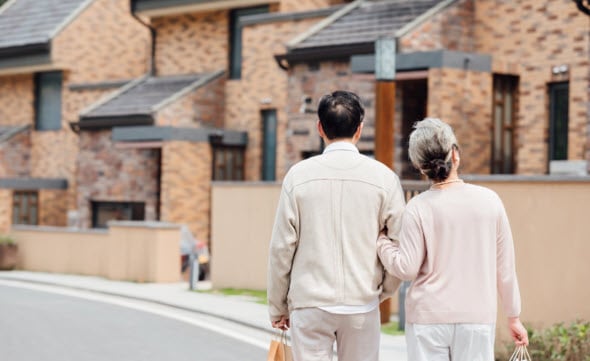
Low-Income Senior Housing Options in Raleigh
Raleigh’s low-income senior housing generally falls under subsidized housing, where rent is based on income. The rent amount is usually set at around 30% of monthly earnings, with the government covering the remaining portion.
In the Raleigh-Cary metro area (which also covers Durham and Chapel Hill), the current HUD income limits for a 1-person household run from about $27,800 (30% AMI) to $74,100 (80% AMI), and for a 2-person household from about $31,800 to $84,700 (raleighnc.gov, 2026). Some communities may also ask residents to submit proof of minimum annual income. If you’d like to rent low-income senior housing in Raleigh, these can be your resources:
- The Housing Choice Voucher Program (previously known as Section 8)
- Public Housing programs
- HUD Section 202 Program
- Low-Income Housing Tax Credit
HUD Programs: Raleigh’s Low-Income Apartments for Senior Citizens
For financially burdened families and seniors, the federal government runs several programs that either reduce rent payments or help residents find low-cost living solutions. Of the various options, the Housing Choice Voucher Program, Public Housing, and Section 202 Housing tend to be the most suitable for the elderly. The U.S. Department of Housing and Urban Development (HUD) funds these housing programs to help low-income American residents find senior living units that typically come with basic amenities.

The Housing Choice Voucher Program (HCVP)
The government-run program formerly known as Section 8 offers housing vouchers that eligible members can use at multiple public housing properties. The elderly can choose a home or apartment based on their abilities. Since it’s the largest program, new participants can also benefit from open spots. The Raleigh Housing Authority (RHA) lays out priority conditions in its policy to expedite voucher help for families and people with urgent needs under its jurisdiction. Raleigh’s low-cost senior housing voucher program generally prioritizes:
- Elderly applicants (62 years or older)
- Applications from those living and/or working in Wake County
- Families with a minimum of 20 hours of work for at least six months
Public Housing Programs
Under this system, eligible low-income families, seniors, and persons with disabilities can find safe, suitable rental housing in Raleigh. These low-cost senior apartments come in different types and sizes. Whether you want a single-family house or a high-rise apartment, you can explore your options using Senioridy’s search feature.
Local housing agencies receive federal aid to help low-income groups secure affordable rental properties. RHA offers two types of public housing solutions: conventional and incentive-based. It oversees one waiting list for traditional public housing and several others for incentive-based public housing. Each waiting list has its own application form and process, though there’s no limit on the number of waiting lists you can apply to.
Eligibility criteria for incentive public housing tend to closely mirror conventional housing, with some additional conditions. The elderly and anyone with a disability can generally qualify, though non-elderly applicants may need to show a longer work history. Other qualification factors typically include:
- Household income below 80% of the area median income
- Good citizenship and immigration status
- Documentation such as Social Security cards, photo ID, and birth certificates
- Criminal and credit background checks for adults, per RHA’s Admissions and Occupancy policy
- A satisfactory history of paying rent and utilities
Section 202 Housing
Don’t overlook the HUD Section 202 program when searching for Raleigh low income senior living near you. Section 202 is a widely sought-after option that can include a faith-based environment. Nonprofit organizations or sponsors use government funds to build and run these senior housing units. Eligibility criteria generally include:
- At least 62 years of age with income below 50% of the area median
- Non-elderly people with mobility issues or other targeted disabilities
Low-Income Housing Tax Credit (LIHTC)
Raleigh’s low-cost senior housing options also include properties that receive tax incentives. Builders and developers secure tax credits to supply low-income groups with decent accommodations. Credits come in two types: 9% and 4%. Projects that don’t apply for other credits or subsidies can qualify for the 9% credit, while projects with additional funding are generally eligible for the 4% credit. Under this structure, projects provide rental units to tenants earning less than the area’s median income.
These units don’t have to be senior-only housing. The qualifying age for this type of property generally falls between 55 and 62. This program often includes a mix of non-subsidized, conventional-style low-income rental homes. Rent generally follows two factors: bedrooms per unit and the income limit set for that unit. These properties can be limited to specific locations, and rent can run comparatively higher than other programs.
Benefits of Living in Low-Cost Senior Apartments
Moving to a lower-cost rental home can make sense for several reasons. Rising costs, a fixed income, and the physical demands of maintaining a larger home can all become concerns as people age, and these can gradually affect lifestyle choices.
Affordability
A low-income apartment can improve your financial position by reducing household expenses. Many homes in this category charge reasonable rent, which can help you start saving. Utility bills also tend to be lower in a smaller, well-equipped place.
Privacy
Moving to a smaller house or apartment doesn’t mean giving up independence. It offers the privacy you want while keeping you close to others in your age group, with more built-in opportunities to socialize. Some communities encourage an active lifestyle and regular interaction among residents.
Freedom from Maintenance
Caring for a house can get more challenging with age, so moving to a home with a smaller footprint can be a wise choice. Chores like mowing the lawn or clearing leaves become someone else’s job. If this sounds appealing, Senioridy can help you find decent low-cost housing for seniors in your preferred location.

How to Find Senior Living in Raleigh, North Carolina
Qualifying for low-income senior apartments in Raleigh, NC, takes some patience, since waiting lists can run long and specific eligibility criteria apply. Your income level is one of the main factors, with HUD setting the applicable income limits for the area. Local agencies typically verify income through tax returns and pay records. It’s worth deciding on your preferred housing program upfront, whether that’s vouchers, public housing, or tax credits.
Local housing authorities in Raleigh generally oversee public housing units, and voucher programs are typically available to eligible people and families living in the jurisdiction. Per HUD, low-income units are generally categorized into 80%, 50%, and 30% AMI brackets, ranging from low-income to extremely low-income. Public housing units are generally open to any senior or other applicant within these income groups, while voucher program eligibility is usually capped at 50% of the area’s median income.
Applicants generally submit documents to HUD or the local housing authority to verify income, and some programs also review criminal history. Household size may also factor into the review, since it affects how household income is assessed. It’s worth providing accurate, up-to-date information along with proof of citizenship or eligible immigration status.
High demand for low-income housing programs, combined with limited available units, often means a wait before an opening becomes available. When you do find something through local housing sites or a trusted search platform, it can help to ask a few questions to evaluate whether a property fits your needs:
- Do current residents seem happy living there?
- What amenities are available in and around the property?
- Is the neighborhood safe, with adequate safety features?
- Does the property accept rent vouchers or subsidies?
Whether you’re on your own or with family, low-income housing can help ease the financial pressure of rising household expenses. These subsidized or low-cost programs may offer only the essentials, but the comfort of living in an affordable home, paired with built-in opportunities to socialize, can make a real difference.
How Senioridy Can Help You Find Affordable Senior Housing in Raleigh, NC
You can keep browsing Senioridy to learn about other cities offering low-income senior communities.
If you’d like to compare costs across the state, Senioridy’s guide to In-Home Care Costs in North Carolina breaks down what home-based care typically runs, in case a loved one would rather age in place than move into subsidized housing.
And if subsidized housing isn’t the right fit, or a loved one would rather stay in their own home, Senioridy’s in-home care directory can help families in the Raleigh area find in-home care providers, from personal care aides to skilled home health services.
This article is for informational purposes only and does not constitute legal, financial, or medical advice. Housing program availability, income limits, and eligibility rules are subject to change. For free, personalized housing counseling, contact your local Area Agency on Aging through the Eldercare Locator or a HUD-approved housing counselor. Always confirm current requirements with official program representatives.