

Las Vegas, often referred to as the “Entertainment Capital of the World,” is a vibrant and bustling city located in the Mojave Desert in southern Nevada. It is renowned for its bustling nightlife, world-class casinos, luxurious resorts, and extravagant entertainment options. This, coupled with the area’s dry, hot weather, makes Las Vegas a favorite destination among the country’s older population.
Among the most popular parts of Las Vegas is the Las Vegas Strip, a 4.2-mile stretch of South Las Vegas Boulevard lined with famous landmarks and no shortage of gaming, dining, shopping, and entertainment.
But as much as Las Vegas is known for its dazzling lights and elaborate shows, it’s also an area of sublime natural beauty, surrounded by stunning landscapes like Red Rock Canyon, Valley of Fire State Park, and Mount Charleston.
With so much going for it, it can be easy to assume living in Las Vegas is out of reach financially, especially for seniors. In reality, the city’s cost of living is just slightly higher than the national average. Still, finding stable and affordable housing in an attractive city like Las Vegas can be challenging for seniors living on limited incomes.
With the right resources and information, finding a suitable home you can afford in Las Vegas is possible. This guide provides seniors and their families with a comprehensive overview of the options available for finding affordable housing designed to accommodate seniors living on limited incomes.

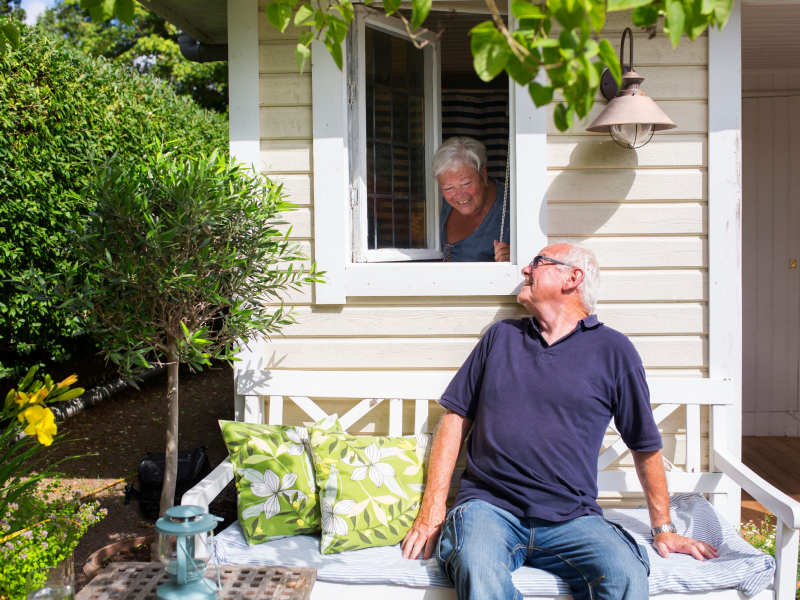
Low-Income Seniors’ Housing Options in Las Vegas, NV
In Las Vegas, several federal, state, and local programs can help seniors find low-income housing in or around the city. Many of these options come in the form of HUD (U.S. Department of Housing and Urban Development) subsidized housing, which includes the following programs:
- Section 202 Supportive Housing for the Elderly Program: The Section 202 program provides capital advances to private, nonprofit sponsors to finance the construction of supportive housing for very low-income elderly residents. Rent is typically capped at 30% of the senior’s, or the entire household’s (if others live with the senior), adjusted income.
- Section 8 Housing Choice Voucher Program: Under the Housing Choice Voucher Program, formerly known as “Section 8,” seniors can choose their housing, provided it meets the program’s requirements. The voucher covers a portion of the rent based on the senior’s income.
Because of the popularity of these programs, they tend to have lengthy waiting lists, and demand generally outweighs available units. However, HUD programs aren’t the only path to affordable housing for seniors. Other options include:
- Nevada Rural Housing (NRH): Nevada Rural Housing offers affordable housing solutions across Nevada, including rental assistance and housing choice voucher programs. While Las Vegas itself isn’t part of NRH’s rural service area, it’s a useful statewide resource for housing assistance information.
- Low-Income Housing Tax Credit (LIHTC) Properties: These properties are privately owned but receive tax credits in exchange for providing affordable units to low-income tenants. Many LIHTC properties in Las Vegas are designed with seniors in mind.
- Public Housing Authorities (PHAs): PHAs manage public housing units and administer voucher programs. The Southern Nevada Regional Housing Authority (SNRHA) is the primary PHA serving Las Vegas, offering several programs for seniors.
Finding Available Housing for Low-Income Seniors in Las Vegas, NV
Finding low-income housing in a city like Las Vegas requires persistence and resourcefulness. Here are a few steps to help you navigate the process:
1. Research and List Potential Options: Start by identifying potential housing options that fit your wants and needs. Use online resources like Senioridy’s affordable apartment search tool, or visit the websites of the programs and organizations above to see available properties and waitlist information.
2. Visit Housing Authorities and Non-Profits: Local housing authorities and non-profit organizations can provide valuable assistance. In Las Vegas, the SNRHA is a key resource. Organizations like Nevada HAND and HELP of Southern Nevada also offer affordable housing and support services for seniors.
3. Check Eligibility Requirements: Each housing program has its own eligibility requirements based on income, age, and other factors. It’s worth confirming you meet a program’s requirements before applying. For example, to qualify for Section 202 housing, seniors generally need to be 62 or older with an income below 50% of the area median.
4. Prepare Necessary Documentation: When applying for housing, you’ll typically need to provide documentation such as proof of income, identification, and medical expenses. Gathering these documents in advance can help streamline the application process.
5. Apply Early and Follow Up: Affordable housing for seniors often has long waitlists. Applying as early as possible and regularly following up on the status of your application can help improve your chances of securing a spot sooner.

Additional Support and Resources for Low-Income Seniors in Las Vegas, NV
Beyond affordable housing, low-income seniors in Las Vegas can also apply for several programs and services that can help improve their quality of life and extend their finances. These programs include:
- Energy Assistance Program (EAP): Administered by the Nevada Division of Social Services, the Energy Assistance Program helps low-income households, including seniors, with their energy bills. This assistance can make housing more affordable by reducing utility costs.
- Supplemental Nutrition Assistance Program (SNAP): SNAP provides financial assistance for purchasing food. Eligible seniors can use these benefits to free up more of their income for housing expenses.
- Medicaid: Medicaid offers healthcare services for low-income individuals. Seniors who qualify can receive assistance with medical expenses, which can help alleviate financial strain.
- Senior Centers and Community Programs: Las Vegas has several senior centers and community programs that offer social activities, meals, transportation, and other support services. Engaging with these programs can improve overall well-being and provide additional assistance.

Frequently Asked Questions About Qualifying for Low-Income Housing Programs
Low-income senior apartments are always in high demand, so it’s not uncommon for an applicant to be kept on a waiting list while they wait their turn for a unit to become available. Some applicants may even be denied eligibility for one of several reasons. Here are answers to some of the most common questions about qualifying and being approved.
Q1. What are the eligibility requirements for low-income senior housing in Las Vegas?
Seniors applying for low-income senior housing in Las Vegas generally need to be at least 62 years old and have a gross annual income that falls within HUD’s local income limits. However, some non-HUD programs may accept seniors as young as 55, so it’s important to always check the requirements of any program you’re considering. Applicants also generally need to meet the terms of the lease for the apartment they’re applying for.
Q2. Can I be denied low-income senior housing?
Yes. Since eligibility requirements can differ by program, it’s important to know the requirements for the program you’re interested in before you apply, so you can hopefully avoid a denial. Even if you meet the basic eligibility requirements, you can still be denied for a range of reasons. The most common reason is having an income that exceeds the program’s income limit, but other reasons can include a low credit score, a poor rental history, a criminal record, and/or a need for ongoing medical care or daily assistance that isn’t provided by the apartment community.
Q3. Can I appeal my denial?
Yes. If you apply for a program and are denied, you’ll typically receive a written notice from the program that includes the reason for denial, along with instructions for filing an appeal.
Q4. How can I improve my chances of being approved for low-income senior housing in Las Vegas?
When applying for low-income senior housing in Las Vegas, the most important thing you can do is provide the program’s authorities with complete and accurate information on your application. An incomplete application or false information can typically result in denial. It’s also generally a good idea to be present at all requested interviews and follow up as needed, since missing one can affect your application.

How Senioridy Can Help You Find Affordable Senior Housing in Las Vegas, NV
The search for affordable housing for seniors in Las Vegas can be lengthy and challenging, but persistence is key. Regularly check waitlist statuses, follow up on applications, and explore new options as they become available.
It’s also worth taking advantage of the numerous resources and programs available to help, like the low-income housing search engine and other resources provided by Senioridy. At Senioridy, we provide the information you need to understand low-income senior housing options, the many local and federal assistance programs, and more. We even offer tips on staying organized, dealing with taxes, long-term care insurance, and other topics that seniors might find informative and beneficial.
If subsidized housing isn’t the right fit, or a loved one would rather stay in their own home, Senioridy’s in-home care directory can help families in the Las Vegas area find in-home care providers, from personal care aides to skilled home health services.
Whether through Senioridy, HUD programs, local housing authorities, or non-profit organizations, support is available to help every senior find a safe and affordable place to call home.
This article is for informational purposes only and does not constitute legal, financial, or medical advice. Housing program availability, income limits, and eligibility rules are subject to change. For free, personalized housing counseling, contact your local Area Agency on Aging through the Eldercare Locator or a HUD-approved housing counselor. Always confirm current requirements with official program representatives.