

The holidays bring out the good china, the family recipes, and at least one relative with strong opinions about how the turkey ought to be carved. For a lot of adult children, they also bring something less festive: the first long, unhurried look at an aging parent in months.
A weekly phone call can sound perfectly fine. A few days under the same roof tells a fuller story. This guide covers the signs families most often notice during holiday visits, a quick home safety walk-through, how to tell a rough patch from a real pattern, and the kinds of help available when a parent needs more support at home.
When the Holiday Table Tells a Different Story
One family’s experience shows how gradually things can shift. For years, the holidays meant a full house at Mom and Dad’s, with both parents cooking side by side and relatives packed into the kitchen. Then life changed in stages. An uncle began having memory problems and moved away to be closer to family. Dad had a major stroke and eventually moved into a skilled nursing facility.
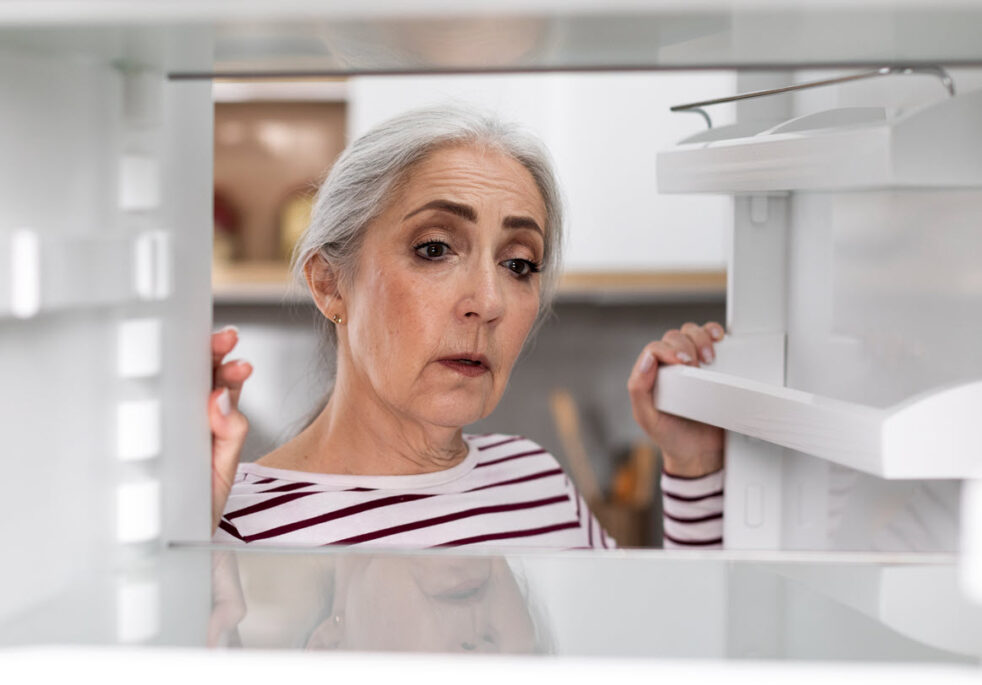
At the next holiday gathering, their daughter noticed things about her mother that had never come up on the phone. Her mom had lost weight. The stairs to her upstairs bedroom had become a slow, careful climb. She was relying on adult incontinence products, and the refrigerator held very little food. When the daughter’s sister arrived after a long time away, their mother had trouble recognizing her at first.

None of these changes happened overnight, and none had been mentioned in their calls. A holiday visit simply put all the pieces side by side.
Why Holiday Visits Reveal What Phone Calls Miss
- Time in the home. A visit of several days shows the daily routine: meals, medications, getting up the stairs, and getting ready in the morning.
- Mood over the long haul. The National Institute on Aging (NIA) notes that depression in older adults is sometimes mistaken for normal aging, and that a parent who sounds upbeat on a short call may have a harder time hiding low mood over a longer visit.
- The house itself. The refrigerator, the mail pile, and the medicine cabinet often say more than a parent does.
- More eyes. Siblings and other relatives who haven’t seen a parent in a while tend to notice changes that someone nearby has gotten used to.
Signs an Elderly Parent May Not Be Safe Living Alone
No single item on this list means a parent can no longer live on their own. These are signals worth noticing, especially when several show up together or keep coming back. The NIA’s guide, Does an Older Adult in Your Life Need Help?, covers many of the same areas.
In the Kitchen
- Very little fresh food, or a refrigerator holding spoiled or long-expired items.
- Noticeable weight loss or gain, or clothes that suddenly fit differently.
- Burned pots, scorch marks, or signs the stove has been left on.
- Less interest in cooking or eating, especially from a parent who always loved to cook.
Personal Care and Appearance
- Bathing less often, unwashed hair, or noticeable body odor.
- Wearing the same clothes several days running, or clothes that don’t suit the weather.
- Bruises, cuts, or sores that seem slow to heal, which may be worth mentioning to their doctor.
- New reliance on incontinence products, or signs of accidents.
Getting Around
- Holding onto furniture or walls to move from room to room.
- Taking the stairs one step at a time with both hands on the rail, or avoiding them altogether.
- Trouble getting up from a chair, the bed, or the toilet.
- Unexplained bruises, or a fall they “didn’t want to worry anyone about.”
If falls or near-falls are a concern, our guide to fall prevention at home covers what raises fall risk and how families can help a parent stay steady and confident.
Memory and Thinking
- Repeating the same story or question within a short time.
- Items turning up in odd places, such as car keys in the freezer or the TV remote in the pantry.
- Confusion about the date, the day of the week, or plans that were just discussed.
- Trouble following conversation at the table, or difficulty recognizing a familiar face.
- Losing track of a recipe they’ve made for decades.

The Alzheimer’s Association’s list of 10 early signs and symptoms of Alzheimer’s and dementia explains how these changes differ from typical aging. For example, misplacing things now and then is common, while regularly putting items in unusual places and being unable to retrace steps to find them is one of the warning signs. Many conditions can cause memory or thinking changes, and some are treatable, so a doctor’s evaluation is generally the first step. The Association’s 24/7 Helpline is 800-272-3900. For families further along, our article on when a parent may need memory care covers the next set of questions.
Mood and Engagement
- Pulling back from friends, church, clubs, or hobbies they used to enjoy.
- Seeming flat, withdrawn, or uninterested in the holiday itself.
- More irritability, suspicion, or anxiety than usual.
Around the House
- Stacks of unopened mail, past-due notices, or unfamiliar charges.
- Clutter building up in a home that used to be tidy.
- Medications that are expired, skipped, or mixed together in the wrong bottles.
- A pet that seems underfed, ungroomed, or overdue for a vet visit.
- New dents or scrapes on the car, which can open the door to talking with a parent about driving.
A Quick Home Safety Walk-Through
While everyone else is busy in the kitchen, a short walk through the house can show whether the home still fits a parent’s needs. The CDC’s guidance on preventing falls points to a few common fixes, including removing tripping hazards, adding grab bars near the tub, shower, and toilet, installing railings on both sides of stairs, and brightening the lighting.
- Floors: loose throw rugs, cords across walkways, or slippery surfaces.
- Pathways: a clear route from the bedroom to the bathroom, with no furniture or clutter to step around.
- Lighting: bright stairways and hallways, plus night lights for late-night bathroom trips.
- Stairs: sturdy railings and no loose or uneven steps. If the only bedroom is upstairs, notice whether the climb is getting harder.
- Bathroom: grab bars, a non-slip surface in the tub or shower, and a toilet that’s easy to get on and off.
- Kitchen: everyday dishes and food within easy reach, without needing a step stool.
Our aging in place safety and care guide walks through each room in more detail. For specific modifications, an occupational therapist or a certified aging-in-place specialist can assess the home, and many in-home care agencies can also do a home visit to look at day-to-day safety.
One Sign or a Pattern?
- A single off day, a cold, or plain holiday stress can make anyone seem not quite themselves.
- Weight loss, confusion, and fatigue can have medical causes, some of them treatable, which is why a visit with their doctor is often a good first step.
- Patterns carry more weight: several signs at once, changes that keep getting worse, or a close call such as a fall or a pot left burning on the stove.
- Jotting down what you noticed, with dates, can help when comparing notes with siblings or talking with a parent’s doctor.
Talking About It Without Ruining the Holiday
- Pick the moment. The dinner table, with the whole family watching, is rarely the place. A quiet one-on-one moment, a walk, or a follow-up call after the visit often goes better.
- Start with what you saw. “The stairs seemed harder for you this year” lands very differently than “You can’t live here anymore.”
- Ask what they want. Most older adults want to stay in their own homes, and the conversation tends to go better when it’s about how to keep them there safely.
- Get on the same page first. Siblings and other decision-makers who talk beforehand can avoid sending a parent mixed messages.
- Expect more than one conversation. A first talk is usually an opening, not a decision.
Our guide on how to talk to your parents about needing help at home goes deeper on starting the conversation and handling pushback.
When More Help at Home Makes Sense
Noticing these signs doesn’t automatically mean a move. For many families, the next step is adding the right support so a parent can stay where they are.
- Companion and homemaker care: help with meals, light housekeeping, errands, and simple company.
- Personal care: hands-on help with bathing, dressing, toileting, and moving safely around the home.
- Local services: the Eldercare Locator (1-800-677-1116) connects families with their local Area Agency on Aging (AAA), which can point to meal programs, transportation, and other community services.
- Care coordination: an Aging Life Care professional (often called a geriatric care manager) can assess a parent’s needs and help the family build a plan, which can be especially helpful when siblings live far apart.
- A written plan: our guide to creating a care plan for aging parents lays out who handles what, so nothing falls through the cracks after everyone heads home.
If the signs point to needs beyond what help at home can safely cover, our article on when aging in place no longer works looks at how families weigh that next step.
A Holiday Visit Can Be a Starting Point
Noticing changes in a parent over the holidays can take some of the shine off the season. It can also be the moment that gets the right help in place before a fall or a health scare forces the issue. A few notes, an honest conversation, and a little support at home can go a long way toward keeping a parent safe and independent.
When you’re ready to explore options, Senioridy’s in-home care directory lets you search for in-home care providers in your parent’s area.
This article is for informational purposes only and does not constitute medical, legal, or financial advice. The signs described here are general and do not diagnose any condition. For changes in a parent’s health, memory, or mobility, consult their physician, and for specific home modifications, consult an occupational therapist or certified aging-in-place specialist. Program details and contact information are subject to change, so always confirm current information directly with the organizations listed.