

Atlanta, Georgia is well known for affordable living, a great quality of life, and plenty of entertainment. City dwellers live amid vibrant neighborhoods and mild weather while staying part of the social scene, so it’s easy to stay connected here. For those who prefer quieter surroundings, the more rural suburbs offer a calmer pace away from the city’s bustle. With so many options for everyone, Atlanta has become a favorite among aging adults too, particularly those who aren’t ready to stop working just yet.
Baby boomers 65 and older are projected to outnumber every other age group combined in the coming decades. Studies from the Atlanta Regional Commission (ARC) show the population of residents 65 and older is rising quickly across the Atlanta region, even as it continues to attract a younger crowd than many other metro areas in Georgia. That mix gives seniors interested in Atlanta the chance to live somewhere as multigenerational as it is culturally rich.
Many seniors today are working to manage the rising cost of health care alongside a limited, fixed income. Cutting household expenses and building savings can go a long way toward financial security, and finding an affordable apartment can make a real difference in a senior’s financial well-being. Because Atlanta’s low-income senior living apartments are designed for financially burdened seniors, aging adults over 62 can apply for some relief.
These low-cost accommodations come with the amenities aging adults need. You can search Atlanta low-income senior housing on Senioridy to get an idea of what these units offer.

Overview of Atlanta’s Low-Income Senior Housing
Some of Atlanta’s low-income apartments for senior citizens that are part of the Section 8 Voucher Program get their funding from the U.S. Department of Housing and Urban Development (HUD), not directly from Atlanta Housing. These apartments and homes charge a pre-determined rent based on the tenant’s monthly income. Eligible tenants first need to obtain a Section 8 Housing Voucher, part of HUD’s Housing Choice Voucher Program, during Atlanta’s HCV Open Enrollment. Because of Atlanta’s higher population, the HCVP has historically stayed closed to new applicants for extended stretches, so it’s worth checking AH’s website for current enrollment status before making plans around it.
Even so, it’s worth keeping an eye on these programs, since government-funded low-cost housing for seniors includes the amenities that support daily routines and basic comforts. Explore Senioridy for more clarity on these houses and apartments. The following resources can help you rent or qualify for one of Atlanta’s subsidized senior housing units:
- Public Housing programs
- The Housing Choice Voucher Program
- HUD Section 202 Program
- Low-Income Housing Tax Credit
1. Public Housing Programs
Atlanta Housing (AH) provides a wide range of housing programs to meet the housing needs of low-income Atlanta residents. Under its programs, seniors and others can look for houses, apartments, and condos. AH operates several public housing-assisted residences, a mix of high-rise and small-family communities. The two most sought-after AH-led programs are Homeflex and Homeownership.
The Homeflex program, formerly known as Project-Based Rental Assistance, uses Moving to Work (MTW) flexibility to attract developers and owners to provide mixed-income rental communities with affordable housing. Public housing authorities that receive federal funding generally follow strict guidelines for how it’s used, which leaves little room to adapt when circumstances or budgets shift. MTW programs give AH more flexibility, letting funds cover things like staffing costs or subsidy shortfalls where needed. This flexibility exists for three main reasons: to add more affordable housing options, improve housing programs, and support low-income residents.
Owners and AH sign an agreement to help low-income families find suitable Homeflex units. Since most of these properties sit in appealing neighborhoods around the metro area, residents can enjoy their surroundings even after a long day. The Homeownership Program, with flexible down payment options, is geared toward homebuyers at low to moderate income levels.
Qualifying for low-income senior apartments in Atlanta can be straightforward if you meet certain conditions, though these vary by program. It’s worth checking the specific requirements of the program you’re interested in before applying. Some general eligibility guidelines include:
- A senior applicant is generally around 55 to 61 years of age
- A family seeking a high-rise apartment generally needs at least one person 62 or older
- Adults with disabilities can also be eligible
2. The Housing Choice Voucher Program (HCVP)
Another valuable resource for securing a place in Atlanta’s low-cost senior housing is the voucher program. AH’s vouchers serve working families, families living with seniors or individuals with a disability, the elderly, and others. Searching Senioridy for options in this category can turn up a good range of townhouses, single-family homes, and apartments, offering plenty of variety without stress about income.
Rental charges are generally around 30% of the family’s monthly income. Some low-cost senior apartments in Atlanta belong to private property owners, offering a choice between mixed-income apartments and single-family homes. Vouchers generally need to be used within the city of Atlanta for the first year before a household can move elsewhere in the U.S., and the subsidy stays valid as long as program requirements continue to be met. Waiting lists to get prequalified for the voucher program tend to run very long, and openings can be infrequent, so it’s worth checking AH’s website for current enrollment status.
The properties themselves stay under the supervision of landlords, but applications go directly to AH once waiting lists open for participation. Applying to the waiting list is known as “Enrollment.” When a list is accepting new applicants, it’s referred to as “Open Enrollment,” and when it’s not, it’s “Closed Enrollment.” Enrollment status is generally announced through local newspapers, social service agencies, radio spots, the official AH website, and other outlets, including the legal section of the Atlanta Journal-Constitution. Since it’s a long process, patience helps. Once approved for a voucher, an appointment with AH follows to learn how to use it.
Voucher eligibility depends on several factors. For example, family income generally can’t exceed 50% of the median income for the metro area or county. Other typical conditions include:
- One family member is generally 62 or older
- In some cases, individuals aged 55 to 61 can also apply
- The applicant generally needs to live or work in the city
- Anyone about to gain employment generally needs to disclose it, along with how the added income affects the household’s eligibility
3. HUD Section 202
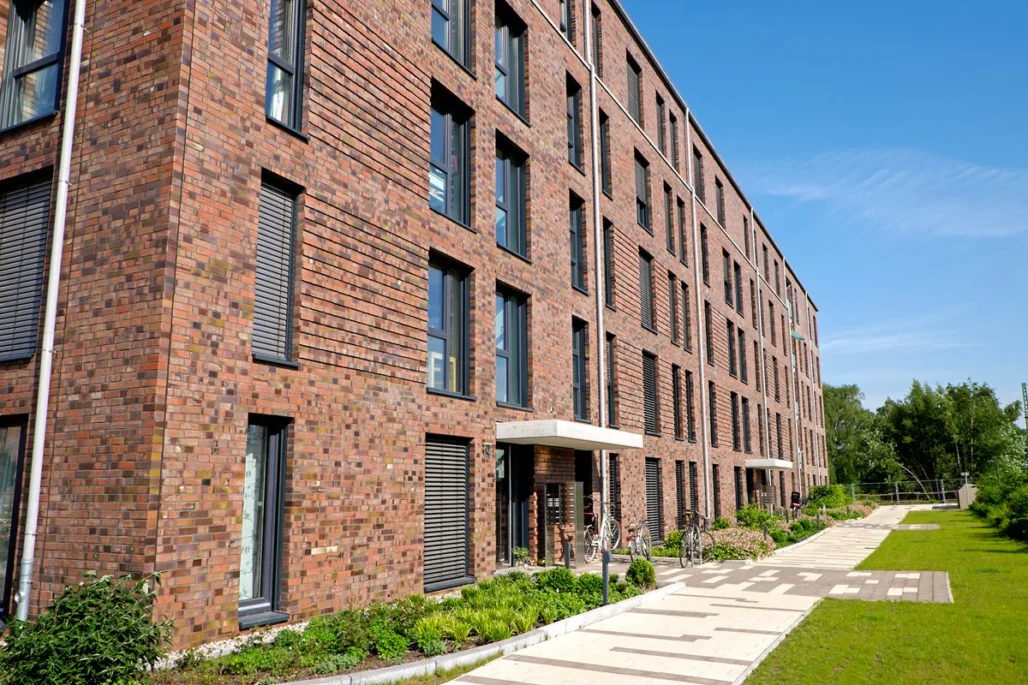
HUD Section 202 programs focus on increasing affordable housing opportunities for the elderly population. Capital investment in these projects helps build new communities for a large population of very low-income older adults. Searching for “Atlanta low-income senior living near me” tends to surface apartments tied to this resource. These are multi-family homes built for seniors 62 or older who need decent, sanitary housing that fits their income. A few basic eligibility parameters:
- Household income at or below 50% of the Area Median Income (AMI)
- At least one household member 62 years or older
Section 202 Low-Income Senior Apartments are built with the needs of elderly residents in mind. Communities usually come with features like:
- Secure, staffed entries
- Gated or off-street parking
- On-site or nearby public transportation
- Beauty salons
- On-site laundry facilities
- Wearable security call buttons
Many, though not all, Section 202 communities also employ a Service Coordinator. A senior service coordinator works with each resident to make sure their needs are met, helping identify gaps like transportation or meal delivery and assisting residents in applying for local or federal programs that address those needs.
4. Low-Income Housing Tax Credit (LIHTC)
The Low-Income Housing Tax Credit program encourages qualified property owners to offer affordable rental properties to low-income tenants. Owners who invest in affordable rental housing for the long term receive relief on their tax liability. These programs generally fall under the Georgia Department of Community Affairs (DCA), which supports safe, affordable housing and local government assistance across the state. To qualify for LIHTC, residents can apply directly with a community’s property manager, much like they would for a conventional rental.
There’s a set of eligibility criteria for tenants applying for an affordable unit under this program. Most properties set aside a certain number of units for senior residents specifically, along with an assigned income level for each unit. While a senior can apply for any unit they financially qualify for, only residents meeting the following criteria can apply for units set aside specifically for seniors:
- At least one household member is generally 55 or older, or 62 or older, depending on the property; that designation is left to the property owner
- The household’s income generally can’t exceed the income level assigned to the unit being applied for
How to Find Senior Living in Atlanta, Georgia
Finding Atlanta’s low-income senior housing options doesn’t have to feel intimidating. Atlanta Housing, the city’s public low-income housing provider, helps meet the basic need for safe, clean, affordable homes for seniors and others. With the agency’s help, thousands of families have found housing through single-family homes and mixed-income apartments. If you need assistance finding a rental property for an elderly resident in the city, Community-Based Assistance and Tenant-Based Assistance are the two main programs to look into.
The city of Atlanta is home to dozens of apartment communities for low-income individuals and families, some of which are reserved for seniors or people 55 and older. You can search these options on Senioridy. You can also reach out to a property management office directly to learn about waiting lists. If one is open, you can apply to any number of communities you’re interested in. Because of the volume of applications, the process can take a while, so it helps to keep your contact details updated so the community can reach you once eligibility review begins.
Once approved, moving into a new home or apartment tends to follow soon after. Wide doors, cabinets, sinks, and counters are common features, making many of these units comfortable for people with mobility issues as well.
Affordable homes can be a real relief for older adults living on fixed incomes or limited wages. The demand for low-cost senior housing in Atlanta continues to grow, and subsidized properties supported by federal, local, and state programs remain available across nonprofit, cooperative, and public housing communities, as well as some options in the private rental market. You can look for them on Senioridy’s search platform.
Living in a cost-effective apartment or house among people of the same age group has its advantages. Along with the potential to save money, residents get the chance to build community with their peers. Whether living with family or on their own, older adults in the neighborhood can offer a measure of support, and some housing options offer a faith-based environment that can matter a great deal to aging residents.

How Senioridy Can Help You Find Affordable Senior Housing in Atlanta, GA
If you’d like to compare costs across the state, Senioridy’s guide to In-Home Care Costs in Georgia breaks down what home-based care typically runs, in case a loved one would rather age in place than move into subsidized housing.
And if subsidized housing isn’t the right fit, or a loved one would rather stay in their own home, Senioridy’s in-home care directory can help families in the Atlanta area find in-home care providers, from personal care aides to skilled home health services.
Keep browsing Senioridy for other cities offering low-income senior communities.
This article is for informational purposes only and does not constitute legal, financial, or medical advice. Housing program availability, income limits, and eligibility rules are subject to change. For free, personalized housing counseling, contact your local Area Agency on Aging through the Eldercare Locator or a HUD-approved housing counselor. Always confirm current requirements with official program representatives.