
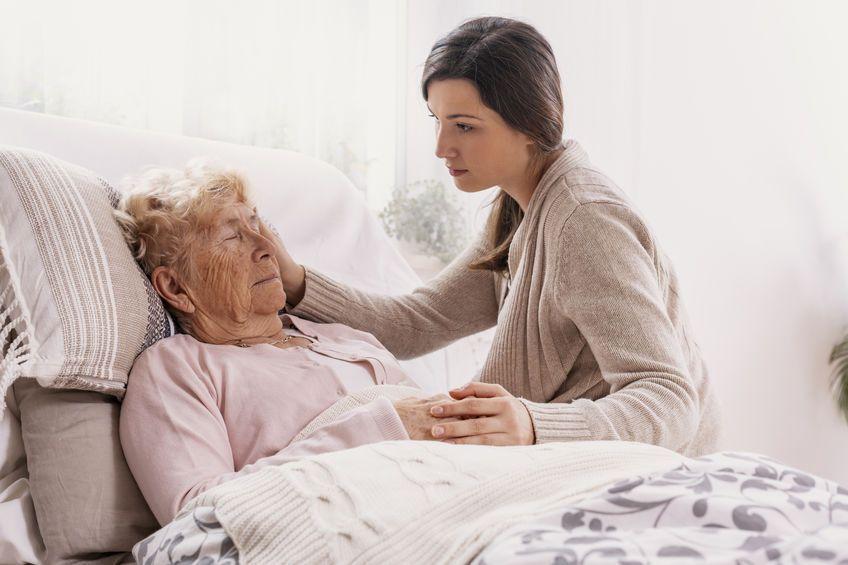
Falling is one of the things families worry about most as a parent or grandparent gets older, and for good reason. It is also one of the more misunderstood risks of aging. The instinct is often to treat fall prevention as risk avoidance: fewer walks, more caution, slowing everything down. Research points in a different direction. Staying active, building strength and balance, and addressing a handful of specific risk factors does more to prevent falls than caution alone ever could. This guide looks at what actually raises fall risk, what families can do about both the home and the body, and how to build confidence instead of fear.
Fear of Falling vs. Actual Risk
Ask a family caregiver when fall risk first became real to them, and the answer is rarely a dramatic one. It is often something small: a grandmother who catches herself on the kitchen counter after a rug slides underfoot, or a father who quietly declines an invitation to a grandchild’s birthday party because the venue has stairs. These small moments of caution are common, and they matter. But when caution turns into avoiding walks, shopping trips, or time with friends, it can end up doing nearly as much damage to independence as a fall itself.
The numbers help explain why this topic gets so much attention. More than one out of four adults age 65 and older falls each year, and less than half tell their doctor about it, according to the Centers for Disease Control and Prevention (CDC). A first fall also roughly doubles a person’s chances of falling again.
At the same time, fear of falling, even in someone who has never actually fallen, can become its own problem. That fear often leads older adults to cut back on walking, shopping, or socializing, and less activity tends to weaken the muscles and balance that help prevent falls in the first place, according to the National Institute on Aging (NIA). The goal of fall prevention is not to eliminate every bit of risk, which is not realistic. It is to reduce the risk factors that can actually be changed and to keep the confidence that comes with staying engaged in daily life.
What Actually Raises Fall Risk
Falls rarely have a single cause. Most result from a combination of smaller issues, several of which are worth understanding.
- Muscle weakness and balance changes. Age-related loss of muscle mass, sometimes called sarcopenia, along with changes in balance and gait, are among the most common contributors to fall risk, according to the NIA.
- Vision changes. A drop in vision, including cataracts or an outdated eyeglass prescription, can make it harder to judge distances or spot a hazard underfoot. An annual eye exam is one of the simpler ways to catch changes early.
- Medications. A number of common medications, including sedatives, some antihistamines, and certain blood pressure or antidepressant medications, can affect balance or alertness in ways that raise fall risk, according to Mayo Clinic. Bringing a full list of medications and supplements to a doctor’s appointment allows a healthcare provider to review for side effects and interactions.
- Certain health conditions. Conditions such as diabetes can affect the nerves in the feet, making it harder to sense an uneven surface underfoot, which can quietly add to fall risk over time.
- Home hazards. Loose rugs, poor lighting, and clutter in walkways are common, fixable contributors covered in more detail below.
Strength and Balance: The Most Protective Habit
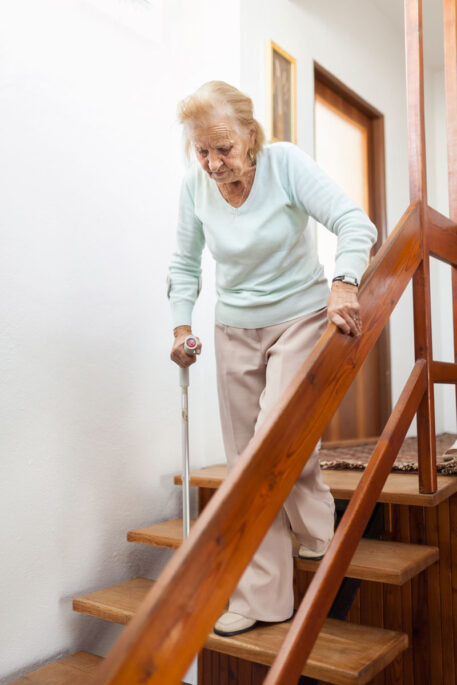
Of all the factors within a person’s control, regular strength and balance activity tends to make the biggest difference. Consistency generally matters more than intensity. Starting small, such as a few minutes of chair stands or a short daily walk, and building from there with a doctor’s input, is a reasonable approach for almost any starting point.
Senioridy’s Strength and Balance Training for Every Age and Ability Level guide walks through specific exercises by ability level, from active seniors to those with more limited mobility, along with guidance on working safely with a doctor or physical therapist.
Making the Home Safer
Home hazards are often the easiest fall risk factor to fix, and small changes can make a real difference.
- Loose rugs, electrical cords, and clutter in walkways are among the most common tripping hazards.
- Poor lighting, especially on stairs and in hallways used at night, makes it harder to spot a hazard in time.
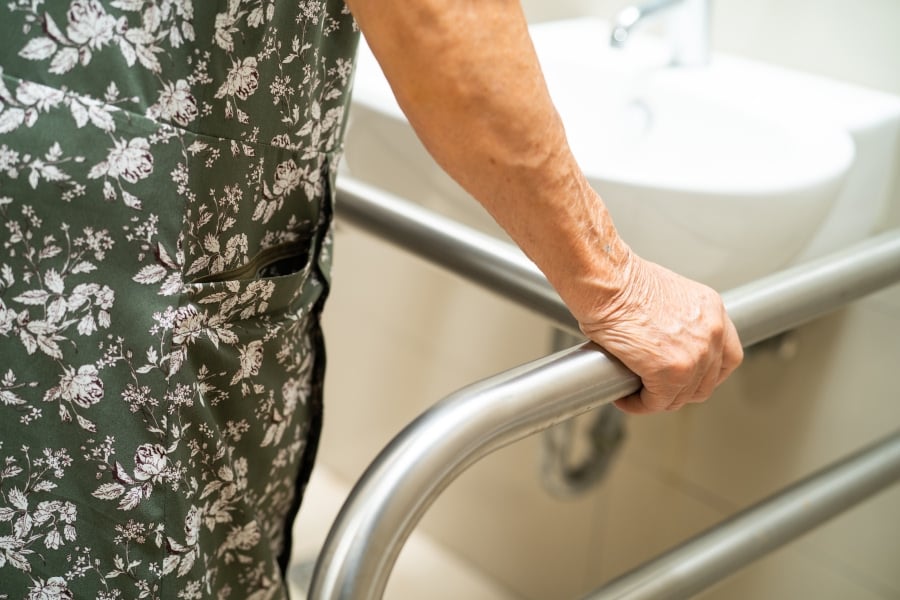
- Bathrooms without grab bars near the toilet and shower are one of the higher-risk areas in most homes.
- Staircases with a railing on only one side leave less support than a staircase with rails on both sides.
- Footwear with a slick sole or a loose fit, including some slippers, can contribute to a slip even on a hazard-free floor.
Senioridy’s room-by-room home safety guide walks through these hazards area by area, along with typical costs and ways to pay for modifications. For a broader look at aging in place, including when to bring in outside help, How to Age in Place: The Complete Guide for Seniors and Families is a useful companion resource.
Talking with a Doctor About Fall Risk
Falls do not always come up naturally in a medical appointment, which is part of why so many go unreported. Healthcare providers often use a short set of screening questions developed under the CDC’s STEADI initiative, short for Stopping Elderly Accidents, Deaths, and Injuries: whether a patient has fallen in the past year, whether they feel unsteady when standing or walking, and whether they worry about falling. Answering honestly, even about a fall that seemed minor at the time, helps a doctor spot risk factors early, before a more serious fall happens. Families can find more patient-facing resources through CDC STEADI patient and caregiver resources.
Finding Community Support
Many communities offer fall-prevention or balance classes, often through a local Area Agency on Aging, including options like tai chi or group balance training that also provide a social outlet. The Eldercare Locator, a free service from the U.S. Administration for Community Living, can help families find programs and resources near them.
Building Confidence, Not Just Avoiding Risk
Fall prevention works best when it is treated as an ongoing habit rather than a one-time fix. Strength and balance activity, a home free of the most common hazards, and an honest conversation with a doctor cover most of what actually moves the needle. None of it requires giving up the walks, the visits, or the activities that make daily life feel worth showing up for. If a loved one could use extra support staying safe and active at home, Senioridy’s in-home care directory can help families search for in-home care options near them.
This article is for informational purposes only and does not constitute legal, financial, or medical advice. Health information, including fall risk factors and prevention strategies, can vary significantly by individual and is subject to change. Always talk with a physician or other qualified healthcare provider before making changes to exercise routines or medications, particularly alongside an existing health condition or a recent surgery. For help locating local programs and resources, contact your Area Agency on Aging through the Eldercare Locator at eldercare.acl.gov.